dr pankaj lodha

Author name: drpankajlodha

Blog

Navigating Intimacy While Battling Cervical Cancer: Tips for a Healthy Love Life

Navigating Intimacy While Battling Cervical Cancer: Tips for a Healthy Love Life Cervical cancer can be a life-altering diagnosis, affecting not only your physical health but also your emotional well-being and intimate relationships. Many women undergoing treatment for cervical cancer experience changes in their bodies, self-image, and sexual health, making it challenging to maintain intimacy. However, with open communication, self-care, and the right support, you can navigate these challenges and maintain a fulfilling love life. Understanding the Impact of Cervical Cancer on Intimacy What is Cervical Cancer? Understanding how its treatments such as surgery, radiation, chemotherapy, and hormone therapy can bring physical and emotional changes that affect intimacy. Some of the most common challenges include: Vaginal dryness and discomfort: Radiation therapy and hormonal changes can reduce natural lubrication, making intercourse painful. Fatigue and low libido: Cancer treatments can cause exhaustion, affecting sexual desire. Changes in self-image: Surgery and treatment side effects may lead to body image concerns, affecting confidence in intimate situations. Emotional distress: Anxiety, depression, and stress can make it difficult to feel emotionally available for intimacy. Recognizing these challenges is the first step toward finding solutions for you and your partner. Tips for Maintaining a Healthy Love Life 1. Communicate Openly with Your Partner Honest and open communication is key to maintaining intimacy. Share your feelings, fears, and physical concerns with your partner. Let them know what feels good, what doesn’t, and what adjustments might help make intimacy more comfortable and enjoyable. If verbalizing your thoughts feels difficult, consider writing a letter or using a couples’ therapist as a mediator. 2. Explore Non-Penetrative Forms of Intimacy Intimacy is not just about sex. Kissing, cuddling, holding hands, and sensual massages can help maintain closeness without the pressure of intercourse. Focus on emotional connection and enjoy each other’s presence. 3. Use Lubrication and Vaginal Moisturizers If vaginal dryness is an issue, using a water-based lubricant or vaginal moisturizer can help reduce discomfort during intimacy. Speak to your doctor about safe options, as some lubricants may interfere with treatment. 4. Prioritize Self-Care and Body Positivity Cancer treatments may change how you see yourself, but it’s important to remember that you are still beautiful and worthy of love. Engage in self-care practices that make you feel confident wearing a favorite outfit, meditating, or doing gentle exercises like yoga to regain strength and flexibility. 5. Seek Professional Guidance A gynecologist, oncologist, or sex therapist can offer guidance on managing the physical and emotional effects of cervical cancer on intimacy. If needed, couples counseling should be considered to navigate relationship changes together. For expert care, consulting a gynecologist can provide the support and treatment needed during this journey. 6. Set Realistic Expectations and Be Patient Healing takes time. It’s okay if intimacy doesn’t feel the same as it did before your diagnosis. Be patient with yourself and your partner as you adjust to new experiences. 7. Join a Support Group Connecting with other women who have faced cervical cancer can be incredibly empowering. Support groups provide a safe space to share experiences, advice, and encouragement from those who understand your journey. Embracing Love and Intimacy Beyond Cancer Cervical cancer may change your body, but it does not define your worth or your ability to experience love and intimacy. With understanding, support, and a compassionate approach, you can nurture a fulfilling and meaningful romantic life. Embracing emotional connection, mutual respect, and a willingness to adapt can help you and your partner navigate these challenges together, strengthening your bond. Remember, you are not alone, support is available, and love can thrive even in adversity.


Blog

Valentine’s Special: How to Enjoy Intimacy While Staying Protected

Valentine’s Special: How to Enjoy Intimacy While Staying Protected Valentine’s Day celebrates love, passion, and deep connections. Whether you are in a new relationship or have been together for years, intimacy plays a crucial role in strengthening emotional bonds. However, enjoying intimacy should never come at the cost of safety. Prioritizing protection ensures a fulfilling and worry-free experience for both partners. Here’s How You Can Enjoy Intimacy While Staying Protected 1. Communicate Openly with Your Partner Healthy relationships thrive on open and honest communication. Discussing boundaries, consent, and protection fosters trust and ensures both partners are comfortable. Whether it’s about contraception, sexual health, or emotional readiness, having a transparent conversation strengthens your connection. 2. Choose the Right Protection Using the right form of protection is key to a safe and enjoyable experience. Various options are available to meet different needs. Choose the Right Birth Control Method for Youand make informed decisions for your well-being. Condoms: Effective against sexually transmitted infections (STIs) and unplanned pregnancies. Birth Control Pills: Helps prevent pregnancy but does not protect against STIs. IUDs and Implants: Long-term contraceptive solutions for those looking for extended protection. Emergency Contraception: A backup option if other methods fail. Consulting a gynecologist can help you choose the best option based on your needs. 3. Prioritize Sexual Health Check-Ups Regular health check-ups are essential for sexual wellness. Getting tested for STIs ensures both partners are safe and healthy. Many infections can be asymptomatic, making routine screening a responsible choice for every couple. 4. Practice Safe Intimacy Beyond Physical Protection Protection isn’t just about contraception it’s also about emotional and mental well-being. Respecting each other’s comfort levels, understanding personal triggers, and maintaining a stress-free environment contribute to a positive experience. 5. Keep the Romance Alive in Different Ways Intimacy isn’t limited to physical closeness. Strengthening your bond through emotional connection, thoughtful gestures, and quality time enhances your relationship. From candlelit dinners to heartfelt conversations, expressing love in different ways fosters a deeper connection. Surprise your partner with handwritten love notes, relive your first date, or take a romantic getaway to strengthen your bond. 6. Educate Yourself and Stay Informed Sexual health is an evolving subject, and staying informed about the latest advancements in contraception, STI prevention, and reproductive health is crucial. Resources from trusted medical professionals and organizations provide valuable insights. Attend workshops, read articles from reliable sources, and encourage your partner to do the same to ensure you make well-informed decisions about your intimate health. 7. Mental and Emotional Well-Being in Intimacy Beyond physical protection, emotional well-being plays a vital role in intimacy. Building a strong emotional connection requires understanding, patience, and trust. Take time to talk about your feelings, insecurities, and expectations. A deeper emotional connection leads to more fulfilling intimacy and a healthier relationship overall. 8. Set the Mood for a Safe and Special Night Creating a romantic atmosphere can enhance intimacy while ensuring safety. Light scented candles, play soft music, and focus on making your partner feel valued and comfortable. Consider incorporating mindfulness techniques like deep breathing or meditation to help both partners relax and fully enjoy the moment. Embrace Love Responsibly and Safely This Valentine’s Day, nurture intimacy with love, respect, and protection. A healthy relationship flourishes with mutual care and responsibility. Prioritizing your well-being ensures deeper connections without compromise. Have open conversations with your gynecologist, and make informed choices. Love smart, stay safe, and celebrate responsibly! Discover the truth by debunking common myths about birth control.

Blog

What You Need to Know About Recurrent Miscarriages

What You Need to Know About Recurrent Miscarriages Pregnancy is a journey filled with hope and anticipation. However, for some women, recurrent miscarriages can turn this joyful experience into one of distress and uncertainty. If you have experienced multiple pregnancy losses, you may be searching for answers. Understanding the causes, diagnosis, and potential treatment options can empower you to take the next steps toward a healthy pregnancy. Meaning of Recurrent Miscarriages Recurrent miscarriages, also known as recurrent pregnancy loss (RPL), refer to the loss of two or more consecutive pregnancies before 20 weeks of gestation. While miscarriage is common, affecting about 10–20% of pregnancies, recurrent miscarriages occur in about 1–2% of women. Possible Causes of Recurrent Miscarriages Several factors can contribute to recurrent miscarriages: 1. Genetic Abnormalities: Chromosomal abnormalities in the embryo, often due to genetic issues from the parents, can lead to miscarriage. 2. Hormonal Imbalances: Conditions such as polycystic ovary syndrome (PCOS), thyroid disorders, or insufficient progesterone can affect pregnancy viability. 3. Uterine Abnormalities: Structural abnormalities such as fibroids, a septate uterus, or scar tissue can interfere with implantation and fetal development. 4. Blood Clotting Disorders: Conditions like antiphospholipid syndrome (APS) or thrombophilia can increase the risk of pregnancy loss due to clot formation in the placenta. 5. Autoimmune Disorders: The immune system may mistakenly attack the embryo, leading to miscarriage. 6. Infections: Some bacterial or viral infections can compromise pregnancy health. 7. Lifestyle Factors: Smoking, excessive alcohol intake, obesity, and unmanaged stress may contribute to pregnancy loss. 8. Unexplained Causes: In some cases, despite extensive testing, no specific cause is identified. Diagnosing Recurrent Miscarriages If you have had two or more miscarriages, a thorough medical evaluation is recommended. Tests may include: Genetic Testing: Karyotyping of both parents and testing fetal tissue from previous losses. Hormonal Assessments: Checking thyroid function, progesterone levels, and glucose metabolism. Uterine Imaging: Ultrasound, hysteroscopy, or MRI to detect structural abnormalities. Blood Clotting Tests: Screening for APS and other clotting disorders. Treatment Options for Recurrent Miscarriages Treatment depends on the underlying cause: Genetic Counseling: If chromosomal abnormalities are detected, options like preimplantation genetic testing (PGT) during IVF can help. Hormonal Support: Progesterone supplementation, thyroid medication, or insulin management for PCOS-related issues. Surgical Corrections: Procedures like hysteroscopic surgery to remove fibroids, polyps, or uterine septum. Blood Thinners: Medications like aspirin or heparin for women with clotting disorders. Lifestyle Modifications: Maintaining a healthy diet, managing stress, quitting smoking, and avoiding alcohol. Emotional and Psychological Support Experiencing multiple miscarriages can take an emotional toll. Seeking support through: Counseling or therapy to process grief. Support groups where women share similar experiences. Open communication with your gynecologist and your partner. Consult a Gynec to Avoid Miscarriages in the Future The good news is that many women who experience recurrent miscarriages go on to have successful pregnancies with the right diagnosis and treatment. Consulting a best gynecologist or fertility specialist in Mumbai can help you create a personalized plan for a healthy pregnancy. If you have experienced multiple pregnancy losses, you are not alone. With the right medical care, emotional support, and treatment options, you can approach this journey with hope and strength. Advances in reproductive medicine, personalized care, and lifestyle adjustments are improving outcomes, helping many women embrace the joy of motherhood. Essential Tips for a Healthy Pregnancy Journey can provide valuable insights to support you every step of the way.

Blog

Understanding Hormonal Imbalances: Causes, Symptoms, and Treatment Options

Understanding Hormonal Imbalances: Causes, Symptoms, and Treatment Options Hormones are crucial in regulating various bodily functions, from metabolism and growth to mood and reproductive health. When hormone levels are imbalanced, they can disrupt normal bodily processes and lead to a range of health issues. Understanding the causes, symptoms, and treatment options for hormonal imbalances can help individuals manage their health effectively. Causes of Hormonal Imbalances Several factors can contribute to hormonal imbalances, such as: Possible Causes of Recurrent Miscarriages Several factors can contribute to recurrent miscarriages: 1. Medical Conditions: Disorders like polycystic ovary syndrome (PCOS), thyroid disorders, diabetes, and adrenal insufficiency can lead to hormone fluctuations. 2. Lifestyle Factors: Poor diet, lack of exercise, excessive stress, and inadequate sleep can contribute to imbalances. 3. Medications and Treatments: Certain medications, including birth control pills and hormone replacement therapy, can alter hormone levels. 4. Aging: Natural hormonal changes occur with age, such as menopause in women and a decline in testosterone levels in men. 5. Environmental Factors: Exposure to endocrine-disrupting chemicals (EDCs) in plastics, pesticides, and processed foods can affect hormone production. Common Symptoms of Hormonal Imbalances Symptoms vary depending on which hormones are affected but may include: Unexplained Weight Changes: Unexpected weight gain or loss independently of dietary or exercise habits. Irregular Menstrual Cycles: Heavy, painful, or absent periods. Chronic Fatigue: Persistent tiredness despite adequate rest. Mood Swings and Depression: Anxiety, irritability, or feelings of sadness. Skin and Hair Issues: Acne, excessive hair growth (hirsutism), or hair thinning. Sleep Disturbances: Insomnia or excessive sleepiness. Digestive Problems: Bloating, constipation, or diarrhea. Decreased Libido: Reduced interest in sexual activity. Causes of Hormonal Imbalances Several factors can contribute to hormonal imbalances, such as: Possible Causes of Recurrent Miscarriages Several factors can contribute to recurrent miscarriages: 1. Medical Conditions: Disorders like polycystic ovary syndrome (PCOS), thyroid disorders, diabetes, and adrenal insufficiency can lead to hormone fluctuations. 2. Lifestyle Factors: Poor diet, lack of exercise, excessive stress, and inadequate sleep can contribute to imbalances. 3. Medications and Treatments: Certain medications, including birth control pills and hormone replacement therapy, can alter hormone levels. 4. Aging: Natural hormonal changes occur with age, such as menopause in women and a decline in testosterone levels in men. 5. Environmental Factors: Exposure to endocrine-disrupting chemicals (EDCs) in plastics, pesticides, and processed foods can affect hormone production. Common Symptoms of Hormonal Imbalances Symptoms vary depending on which hormones are affected but may include: Unexplained Weight Changes: Unexpected weight gain or loss independently of dietary or exercise habits. Irregular Menstrual Cycles: Heavy, painful, or absent periods. Chronic Fatigue: Persistent tiredness despite adequate rest. Mood Swings and Depression: Anxiety, irritability, or feelings of sadness. Skin and Hair Issues: Acne, excessive hair growth (hirsutism), or hair thinning. Sleep Disturbances: Insomnia or excessive sleepiness. Digestive Problems: Bloating, constipation, or diarrhea. Decreased Libido: Reduced interest in sexual activity. Treatment Options for Hormonal Imbalances Managing hormonal imbalances often requires a combination of lifestyle changes, medical treatments, and alternative therapies. 1. Lifestyle Modifications Balanced Diet: Incorporating whole foods, lean proteins, healthy fats, and fiber can support hormone balance. Regular Exercise: Engaging in physical activity helps regulate insulin and cortisol levels. Stress Management: Meditation, yoga, and deep breathing exercises can help reduce stress-induced hormonal fluctuations. Adequate Sleep: Maintaining a consistent sleep schedule and creating a relaxing bedtime routine supports hormonal health. 2. Medical Treatments Hormone Replacement Therapy (HRT): Used for conditions like menopause and hypothyroidism. Medications: Birth control pills for menstrual regulation, insulin therapy for diabetes, or thyroid medications for hypothyroidism. Surgical Interventions: In some cases, surgery may be necessary for conditions like ovarian cysts or tumors. 3. Alternative Therapies Herbal Supplements: Ashwagandha, maca root, and evening primrose oil are known for their hormone-balancing properties. Acupuncture: This can help regulate hormones and improve symptoms. Probiotics: Gut health plays a crucial role in hormone regulation, making probiotics beneficial for maintaining balance. When to Seek Medical Help If persistent symptoms are affecting your daily life, it’s advisable to consult the best gynecologist in Mumbai. They can assess your hormone levels through tests and suggest the most suitable treatment plan. Regaining Balance: Taking Control of Your Hormonal Health Managing hormonal changes and their impact on well-being is essential for maintaining overall health. While hormonal imbalances can disrupt daily life, they can be effectively managed with the right approach. Understanding the causes, recognizing symptoms, and exploring various treatment options empower individuals to take proactive steps toward achieving hormonal balance and enhancing their quality of life.

Blog

Fertility Preservation: Tips for Women Planning Pregnancy Later

Fertility Preservation: Tips for Women Planning Pregnancy Later Modern life allows women to prioritize education, career advancement, and personal aspirations before starting a family. However, fertility naturally declines with age, making it essential to plan for those considering pregnancy later in life. Misconceptions, such as the belief that fertility remains stable until menopause or that lifestyle changes alone can counteract age-related decline, often create confusion. Science debunks these myths, emphasizing the importance of fertility preservation. By understanding their options, women can take proactive steps to safeguard their reproductive future and make informed decisions about when to start a family. Here’s What You Need to Know About Preserving Fertility For a Later Pregnancy. Understanding Fertility Decline Women are born with a finite number of eggs, and fertility gradually decreases as they age. By the early 30s, egg quantity and quality start declining, and by the age of 40, conception chances significantly drop. This is why many women opt for fertility preservation techniques to extend their reproductive window. Fertility Preservation Options There are several methods available to preserve fertility, allowing women to conceive when they are ready. 1. Egg Freezing (Oocyte Cryopreservation) Egg freezing is one of the most popular methods of fertility preservation. This process involves stimulating the ovaries with hormones, retrieving mature eggs, and freezing them for future use. It is ideal for women who want to delay pregnancy for personal or medical reasons. 2. Embryo Freezing Women who are in a committed relationship or wish to fertilize their eggs with donor sperm may opt for embryo freezing. The process involves fertilizing eggs with sperm before freezing the resulting embryos for future implantation. 3. Ovarian Tissue Freezing This method involves freezing ovarian tissue for later transplantation. It is commonly used for women undergoing treatments like chemotherapy that may affect fertility. 4. Ovarian Suppression Hormonal treatments can temporarily suppress ovarian function to protect fertility, particularly for women undergoing cancer treatments. This method is still under research and is not a guaranteed solution. Lifestyle Changes to Support Fertility While medical advancements offer excellent options for fertility preservation, lifestyle factors also play a crucial role in maintaining reproductive health. 1. Maintain a Healthy Diet A balanced diet rich in antioxidants, vitamins, and minerals supports egg health. Include foods such as leafy greens, berries, nuts, and whole grains to nourish your reproductive system. 2. Manage Stress Chronic stress can disrupt hormonal balance and impact ovulation. Engage in relaxation techniques like meditation, yoga, or mindfulness to support overall well-being. 3. Avoid Smoking and Excessive Alcohol Smoking accelerates egg loss and reduces fertility, while excessive alcohol consumption can disrupt hormonal balance. Limiting these habits can enhance fertility potential. 4. Stay Physically Active Engaging in regular physical activity supports a healthy weight, which is crucial for optimal fertility. However, overdoing intense workouts may negatively affect ovulation, so maintaining a balanced approach is essential. Monitor Your Reproductive Health Understanding your reproductive health is crucial for making informed decisions about fertility. Regular check-ups with a gynecologist or fertility specialist can help track your fertility status. Tests like AMH (Anti-Müllerian Hormone) levels offer insight into ovarian reserve and overall reproductive potential, allowing women to plan for their future with confidence. When to Consider Fertility Preservation Women who wish to delay pregnancy beyond their early 30s, those with medical conditions affecting fertility, or those undergoing treatments like chemotherapy should consider fertility preservation. Securing Your Fertility for the Future By preserving fertility, women gain the freedom to make well-informed reproductive choices. Advances in medical science, combined with a proactive mindset, allow women to plan pregnancy on their timeline without compromising fertility potential. If you are thinking about fertility preservation, consult your gynecologist to explore your options and make the right decision for your future family. Taking Charge of Your Pregnancy for a Safe and Healthy Outcome While the possibility of complications can be daunting, being aware, vigilant, and proactive helps keep risks in check. Each pregnancy is unique. What’s most important is open communication with your gynecologist, early detection of potential issues, and a focus on self-care. With the correct support and precautions, most complications can be managed effectively, ensuring a safe and fulfilling journey to motherhood.

Blog

How to Track Your Ovulation for Better Reproductive Health

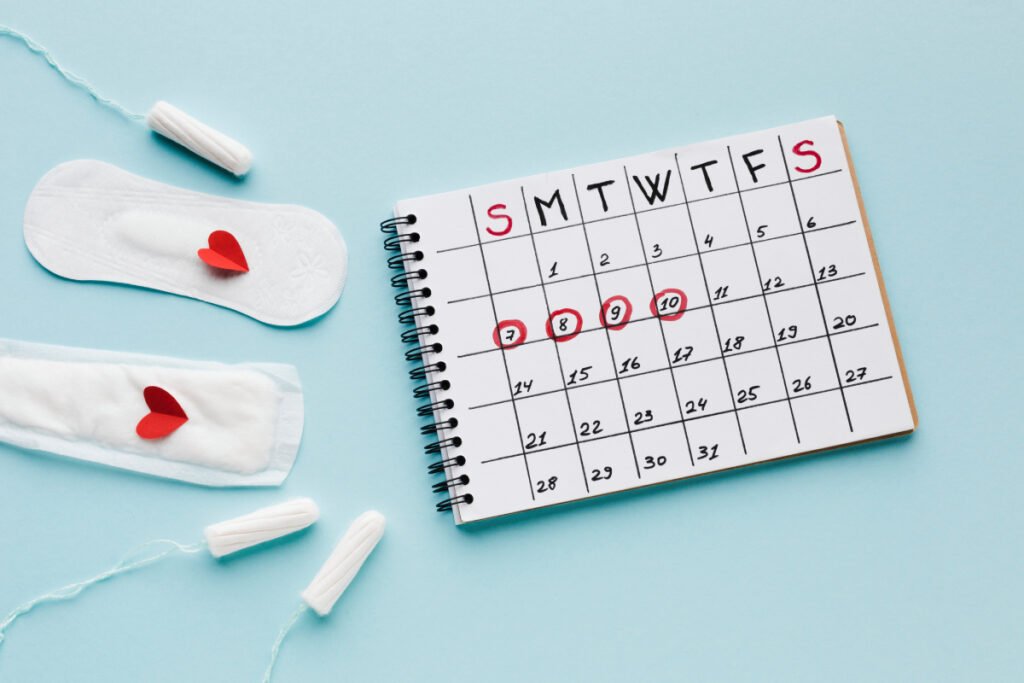
How to Track Your Ovulation for Better Reproductive Health Understanding your ovulation cycle is important for your reproductive health. Whether you are trying to conceive or want to know your body better, tracking ovulation can help you find your most fertile days, spot hormonal imbalances, and even serve as a natural family planning method. Here’s How You Can Track Your Ovulation Effectively. Understanding Ovulation Ovulation occurs when an ovary releases an egg, typically around the middle of your menstrual cycle. This egg travels through the fallopian tube and remains viable for fertilization for about 12 to 24 hours. However, sperm can live in the reproductive tract for up to five days, making the fertile window a few days before and after ovulation. Signs and Symptoms of Ovulation Your body gives several clues when ovulation is approaching. Some of the most common signs include: Changes in Cervical Mucus: A few days before ovulation, cervical mucus becomes clear, stretchy, and slippery, similar to raw egg whites, to help sperm travel more easily. Basal Body Temperature (BBT) Shift: A slight rise in body temperature occurs after ovulation due to increased progesterone levels. Tracking your BBT over time can help identify ovulation patterns. Mild Pelvic Pain (Mittelschmerz): Some women experience mild cramping or discomfort on one side of the abdomen during ovulation. Increased Libido and Energy Levels: Hormonal fluctuations around ovulation can lead to heightened sexual desire and an energy boost. Changes in Cervical Position: The cervix becomes softer, higher, and more open around ovulation. Methods To Track Your Ovulation   Several techniques can help you accurately track ovulation and determine your most fertile days: 1. Calendar Method Keeping track of your menstrual cycle using a calendar or app can help estimate your ovulation date and recognize patterns in your cycle. Ovulation usually happens about 14 days before your next period, but if you experience irregular cycles, it could indicate underlying hormonal imbalances or health issues. Exploring the reasons behind missed periods can provide further insights into your reproductive health and help identify your fertile window. 2. Basal Body Temperature (BBT) Charting Using a basal thermometer, measure your temperature every morning before bed. A consistent temperature rise of about 0.5°F to 1°F after ovulation can confirm that ovulation has occurred. 3. Ovulation Predictor Kits (OPKs) These at-home urine tests measure a surge in luteinizing hormone (LH), which typically happens 24 to 36 hours before ovulation. A positive result suggests that ovulation is about to occur. 4. Cervical Mucus Monitoring Observing changes in cervical mucus daily can provide insight into your fertile days. When the mucus is clear and stretchy, ovulation is likely near. 5. Ultrasound and Hormonal Testing For those with irregular cycles or difficulty conceiving, ultrasound monitoring and hormonal blood tests can offer a more precise assessment of ovulation. Why Tracking Ovulation Matters Tracking ovulation is beneficial for: Enhancing Fertility Awareness: Understanding your cycle helps in timing intercourse for conception. Identifying Hormonal Imbalances: Irregular ovulation patterns could indicate conditions like PCOS or thyroid issues. Supporting Natural Birth Control: Some women use ovulation tracking as a non-hormonal contraception method. Improving Menstrual Health: Recognizing irregular cycles can prompt timely medical attention. Listen to Your Body, Take Charge of Your Health Your ovulation cycle is essential to your reproductive well-being. Whether planning for pregnancy or simply aiming to understand your body better, tracking ovulation offers valuable insights. If you have irregular cycles or find it challenging to track ovulation, consulting with your gynecologist, along with exploring different tracking methods, can provide clarity. Understanding your cycle empowers you to make informed decisions about your reproductive health.

Blog

Menstrual Irregularities After 30: When to See a Gynecologist

Menstrual Irregularities After 30: When to See a Gynecologist Your 30s often bring a more stable routine, both physically and emotionally. But when your periods suddenly start acting up, arriving too early, too late, or overstaying their welcome it’s natural to feel concerned. Menstrual irregularities after the age of 30 are not uncommon, but they can sometimes signal underlying health concerns that need medical attention. Here’s when do menstrual changes after 30 need a gynecologist’s attention? What Counts as Menstrual Irregularity? A “regular” menstrual cycle typically ranges between 21 to 35 days, with bleeding lasting 3 to 7 days. Any deviations from this, such as extended cycles, missed periods, excessive bleeding, or spotting between cycles, are classified as menstrual irregularities. Here are some specific signs to watch out for: Cycles that are less than 21 days or exceed 35 days. Missed periods without pregnancy Hefty flow (soaking through one or more pads/tampons every hour) Spotting between periods Pain that interferes with daily activities Sudden change in cycle length or flow Why Do Periods Change After 30? Your hormones are in constant motion and by your 30s, several factors may begin to influence your cycle: 1. Stress and LifestyleCareer pressures, parenting, or disrupted sleep can affect hormone levels, leading to delayed or missed periods. 2. Thyroid DisordersAn overactive or underactive thyroid can impact your menstrual cycle and overall energy levels. 3. Polycystic Ovary Syndrome (PCOS)Some women don’t get diagnosed until their 30s. Irregular cycles, acne, and weight changes can be indicators. 4. Uterine Fibroids or PolypsNoncancerous growths in the uterus may cause heavy bleeding or spotting between periods. 5. PerimenopauseWhile menopause usually begins in your 40s or 50s, perimenopause the transition phase can start in your late 30s, bringing irregular periods and hormonal shifts. 6. Birth Control or IUDsHormonal contraceptives can regulate or sometimes disrupt periods, depending on the individual. 7. Underlying Medical ConditionsConditions such as endometriosis, insulin resistance, or bleeding disorders may also present with abnormal cycles. Why Monitoring Matters Your menstrual cycle is closely tied to your overall health. Changes can be early indicators of conditions that may need medical attention. By tracking your cycle with a calendar or an app you can pick up on patterns and irregularities early. Pay attention to: Cycle length Duration of flow Severity of cramps Mood and energy levels Any unexpected changes  When to See a Gynecologist? If you are ever in doubt, don’t hesitate to consult your gynecologist. Period problems aren’t something you have to “put up with.” Whether it’s for peace of mind or proactive care, seeking medical advice is a healthy, empowered choice. Listen to Your Cycle, It’s Speaking to You Your cycle is as unique as you are. Understanding what’s normal and not helps you stay in tune with your body and take action when needed. Don’t ignore the signs your cycle is sending you. They might be subtle whispers now, but paying attention can help you avoid louder alarms later. If you notice irregularities or discomfort that doesn’t feel right, trust your instincts and talk to a healthcare professional. Your body knows. And now you do too. When Should You See a Gynecologist? Occasional fluctuations can be a part of normal hormonal shifts. But if menstrual changes persist for more than three cycles or interfere with your quality of life, it’s time to consult a gynecologist. Pay close attention if you notice any of the following signs: Bleeding that lasts more than 7 days Needing double protection or waking at night to change pads Going over 3 months without a period (and not being pregnant) Severe cramps or pelvic pain Spotting after sex or in between periods New or worsening symptoms (acne, hair growth, weight gain) What to Expect During the ConsultationYour gynecologist will likely start with an open conversation about your menstrual history, lifestyle, and symptoms. Being honest about what you are experiencing helps them understand the full picture. Depending on your concerns, they may recommend blood tests to check hormone levels or imaging tests like a pelvic ultrasound to identify issues such as fibroids or ovarian cysts. In some cases, they might also suggest tracking your cycle using an app or calendar to monitor patterns before making a diagnosis. Please Don’t Wait for It to Get WorseMenstrual irregularities can be your body’s way of flagging a deeper imbalance. While not all changes are cause for alarm, it’s always better to investigate persistent irregularities early on. A timely consultation can help diagnose and treat conditions that may affect not just your cycle, but your overall reproductive health. Your Cycle Is Speaking, Are You Listening? As you move through your 30s and beyond, your body’s rhythm can shift and your periods are often the first to reflect these changes. Unusual patterns shouldn’t be brushed off as “just stress” or a one-time fluke. Listen to your body and trust what it’s trying to tell you. If something feels off, don’t hesitate to consult your gynecologist. Proactive care in your 30s lays the foundation for healthy aging and continued gynecological wellness well into your 40s and 50s. Good health begins with understanding the signs and acting on them.

Blog

Common Pregnancy Complications and How to Stay Safe

Common Pregnancy Complications and How to Stay Safe Pregnancy is a life-changing experience, affecting both the body and mind in profound ways. While most pregnancies progress smoothly with proper prenatal care, it’s key to be aware of certain complications that can arise. Recognizing the signs early and knowing how to manage risks can make all the difference in ensuring a safe and healthy experience for both mother and baby. Here are common pregnancy complications and how to manage them safely. 1. Gestational DiabetesWhat it is: Gestational diabetes occurs when hormonal changes during pregnancy interfere with insulin usage, causing blood sugar levels to rise.Risks: If uncontrolled, it can lead to high birth weight, premature delivery, and increased chances of developing type 2 diabetes later in life.How to stay safe: Routine blood sugar screenings, a healthy diet, regular physical activity, and, if necessary, insulin therapy can help manage the condition effectively. 2. PreeclampsiaWhat it is: This condition is marked by high blood pressure and signs of damage to organs, often the liver and kidneys. It usually begins after 20 weeks of pregnancy.Risks: If left untreated, preeclampsia can lead to serious complications such as eclampsia (seizures), premature birth, or organ damage.How to stay safe: Consistent prenatal check-ups are essential. Monitoring blood pressure and urine protein levels and watching for symptoms like sudden swelling, headaches, or visual changes can help detect the condition early. 3. Preterm LaborWhat it is: Preterm labor refers to labor that starts before 37 weeks of pregnancy.Risks: Babies born prematurely may face challenges with breathing, feeding, and temperature regulation.How to stay safe: Avoid smoking, stay hydrated, manage stress, and attend all prenatal appointments. If you feel pelvic pressure, cramping, or backache before 37 weeks, consult your doctor immediately. 4. Placenta PreviaWhat it is: This occurs when the placenta partially or completely covers the cervix.Risks: It can lead to bleeding during pregnancy and complications during delivery.How to stay safe: Ultrasounds can detect placenta previa. In such cases, physical activity might be restricted, and a C-section may be planned to ensure a safe delivery. 5. Hyperemesis GravidarumWhat it is: More than just morning sickness, this condition causes severe, persistent nausea and vomiting, leading to dehydration and weight loss.Risks: If not managed, it can affect maternal health and fetal growth.How to stay safe: Medical treatment may include IV fluids, nutritional support, and medications. Don’t hesitate to speak to your doctor if you are struggling to keep food or fluids down. 6. MiscarriageWhat it is: A miscarriage is the spontaneous loss of a pregnancy before 20 weeks, and when it happens two or more times in a row, it is known as recurrent miscarriage a condition that may indicate underlying health concerns and requires medical evaluation.Risks: Although often caused by chromosomal abnormalities, certain health conditions and lifestyle factors can increase the risk.How to stay safe: While not all miscarriages are preventable, managing chronic conditions, avoiding harmful substances, and maintaining a healthy lifestyle can help. Why Do Periods Change After 30? Your hormones are in constant motion and by your 30s, several factors may begin to influence your cycle: 1. Stress and LifestyleCareer pressures, parenting, or disrupted sleep can affect hormone levels, leading to delayed or missed periods. 2. Thyroid DisordersAn overactive or underactive thyroid can impact your menstrual cycle and overall energy levels. 3. Polycystic Ovary Syndrome (PCOS)Some women don’t get diagnosed until their 30s. Irregular cycles, acne, and weight changes can be indicators. 4. Uterine Fibroids or PolypsNoncancerous growths in the uterus may cause heavy bleeding or spotting between periods. 5. PerimenopauseWhile menopause usually begins in your 40s or 50s, perimenopause the transition phase can start in your late 30s, bringing irregular periods and hormonal shifts. 6. Birth Control or IUDsHormonal contraceptives can regulate or sometimes disrupt periods, depending on the individual. 7. Underlying Medical ConditionsConditions such as endometriosis, insulin resistance, or bleeding disorders may also present with abnormal cycles. Staying Safe: The Essentials 1. Regular Prenatal Check-ups: Never miss a scheduled appointment. Your doctor tracks fetal development and screens for early signs of complications. 2. Stay Informed, Not Anxious: Educate yourself about pregnancy, but avoid overwhelming yourself with worst-case scenarios. Knowledge helps in making empowered choices. 3. Balanced Nutrition: Eating a variety of nutrient-rich foods supports both your health and your baby’s growth. 4. Listen to Your Body: Never ignore symptoms like fatigue, swelling, or persistent pain. When you have a doubt, please consult your gynecologist. 5. Emotional Well-being: Pregnancy affects your mental health, too. Don’t shy away from seeking support if you feel overwhelmed or anxious. Taking Charge of Your Pregnancy for a Safe and Healthy Outcome While the possibility of complications can be daunting, being aware, vigilant, and proactive helps keep risks in check. Each pregnancy is unique. What’s most important is open communication with your gynecologist, early detection of potential issues, and a focus on self-care. With the correct support and precautions, most complications can be managed effectively, ensuring a safe and fulfilling journey to motherhood.

Blog

Understanding Your Cycle: What’s Normal and What’s Not?

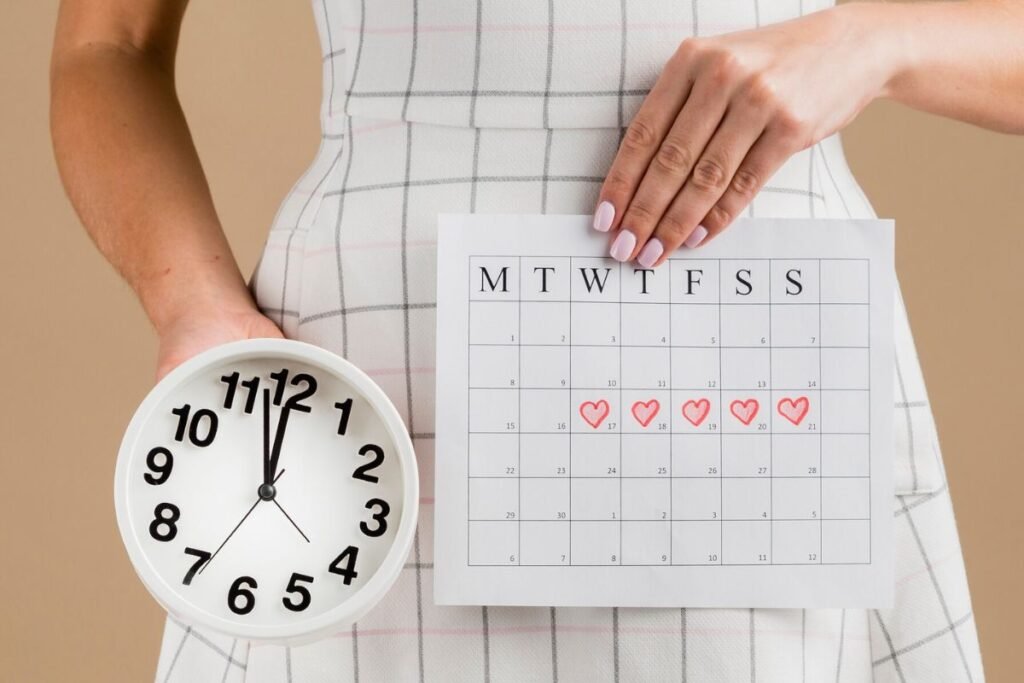
Understanding Your Cycle: What’s Normal and What’s Not? Your menstrual cycle is like a monthly report card from your body, offering key insights into your reproductive health. But with so much variation from person to person, it’s easy to wonder—what’s usual? What Counts as Menstrual Irregularity? A “regular” menstrual cycle typically ranges between 21 to 35 days, with bleeding lasting 3 to 7 days. Any deviations from this, such as extended cycles, missed periods, excessive bleeding, or spotting between cycles, are classified as menstrual irregularities. Here are some specific signs to watch out for: Cycles that are less than 21 days or exceed 35 days. Missed periods without pregnancy Hefty flow (soaking through one or more pads/tampons every hour) Spotting between periods Pain that interferes with daily activities Sudden change in cycle length or flow Why Do Periods Change After 30? Your hormones are in constant motion and by your 30s, several factors may begin to influence your cycle: 1. Stress and LifestyleCareer pressures, parenting, or disrupted sleep can affect hormone levels, leading to delayed or missed periods. 2. Thyroid DisordersAn overactive or underactive thyroid can impact your menstrual cycle and overall energy levels. 3. Polycystic Ovary Syndrome (PCOS)Some women don’t get diagnosed until their 30s. Irregular cycles, acne, and weight changes can be indicators. 4. Uterine Fibroids or PolypsNoncancerous growths in the uterus may cause heavy bleeding or spotting between periods. 5. PerimenopauseWhile menopause usually begins in your 40s or 50s, perimenopause the transition phase can start in your late 30s, bringing irregular periods and hormonal shifts. 6. Birth Control or IUDsHormonal contraceptives can regulate or sometimes disrupt periods, depending on the individual. 7. Underlying Medical ConditionsConditions such as endometriosis, insulin resistance, or bleeding disorders may also present with abnormal cycles. When Should You See a Gynecologist? Occasional fluctuations can be a part of normal hormonal shifts. But if menstrual changes persist for more than three cycles or interfere with your quality of life, it’s time to consult a gynecologist. Pay close attention if you notice any of the following signs: Bleeding that lasts more than 7 days Needing double protection or waking at night to change pads Going over 3 months without a period (and not being pregnant) Severe cramps or pelvic pain Spotting after sex or in between periods New or worsening symptoms (acne, hair growth, weight gain) What to Expect During the ConsultationYour gynecologist will likely start with an open conversation about your menstrual history, lifestyle, and symptoms. Being honest about what you are experiencing helps them understand the full picture. Depending on your concerns, they may recommend blood tests to check hormone levels or imaging tests like a pelvic ultrasound to identify issues such as fibroids or ovarian cysts. In some cases, they might also suggest tracking your cycle using an app or calendar to monitor patterns before making a diagnosis. Please Don’t Wait for It to Get WorseMenstrual irregularities can be your body’s way of flagging a deeper imbalance. While not all changes are cause for alarm, it’s always better to investigate persistent irregularities early on. A timely consultation can help diagnose and treat conditions that may affect not just your cycle, but your overall reproductive health. Your Cycle Is Speaking, Are You Listening? As you move through your 30s and beyond, your body’s rhythm can shift and your periods are often the first to reflect these changes. Unusual patterns shouldn’t be brushed off as “just stress” or a one-time fluke. Listen to your body and trust what it’s trying to tell you. If something feels off, don’t hesitate to consult your gynecologist. Proactive care in your 30s lays the foundation for healthy aging and continued gynecological wellness well into your 40s and 50s. Good health begins with understanding the signs and acting on them.

Scroll to Top